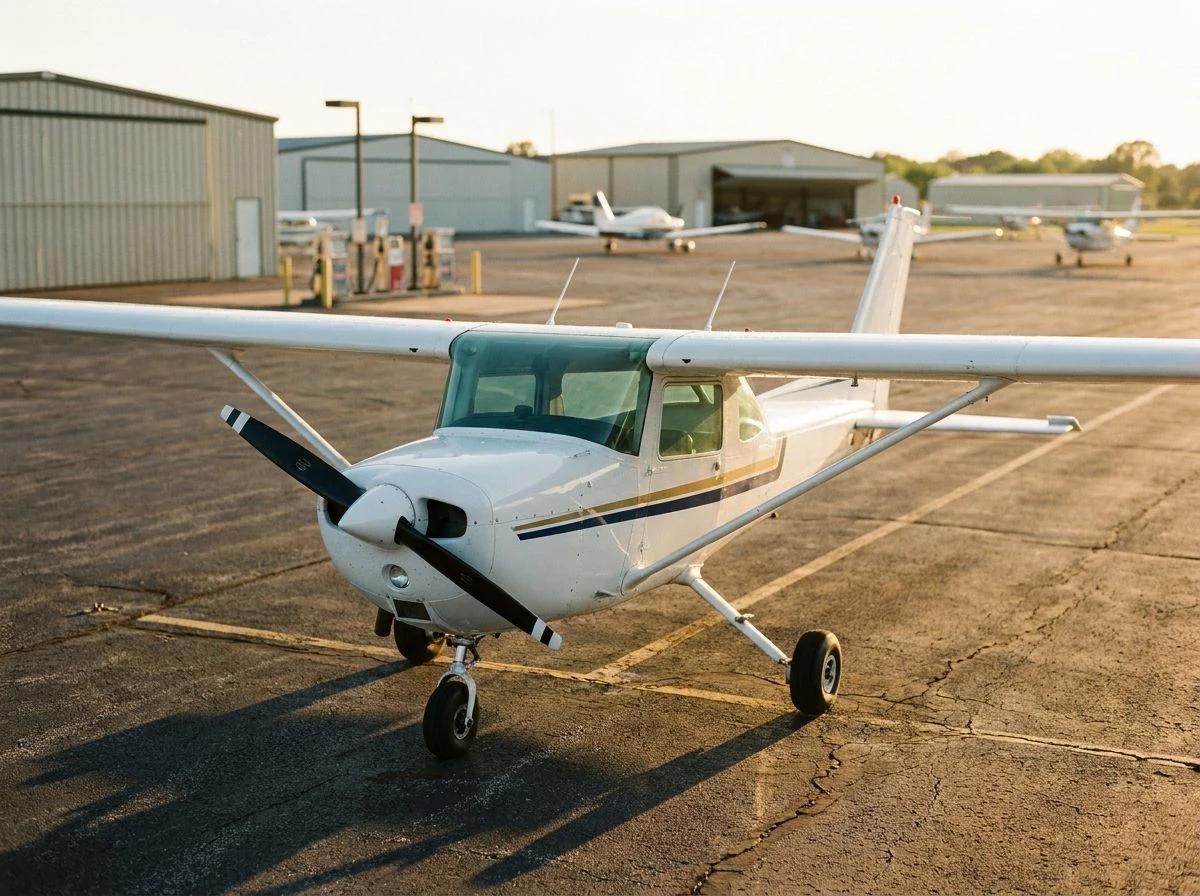
Inland Empire Flight Training: How Airport Location Affects Your Lessons
Compare Inland Empire flight training locations by commute, aircraft access and lesson logistics. Build a practical shortlist before choosing where to train.
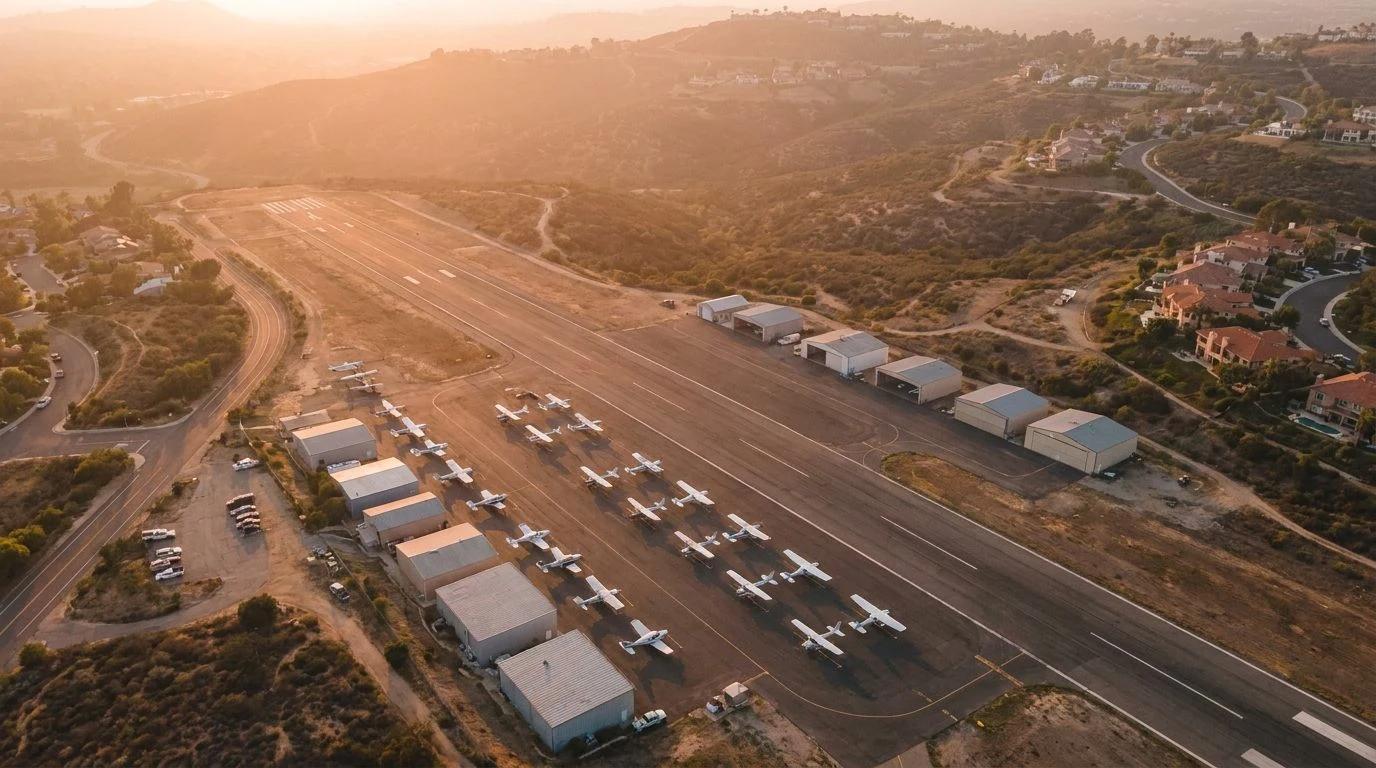
Inland Empire flight training is shaped by more than choosing the right instructor or aircraft type. Where you actually fly, how you get there, and how easily you can schedule aircraft all affect how smoothly your training moves. This article focuses on the practical logistics of airport access and lesson planning in the Inland Empire region, so you can build a realistic schedule before you ever book a discovery flight.
Why Airport Location Matters More Than Most Students Expect
Many new students focus entirely on the school or instructor. They overlook the airport itself. But the airport is where your training actually lives. If getting there is difficult, expensive, or unpredictable, lessons get missed. Missed lessons slow progress. Slow progress costs more in the long run.
The Inland Empire has several general aviation airports spread across a wide geographic area. Some are close to freeways. Others sit in areas with heavy local traffic. Picking an airport that fits your commute is one of the most practical planning decisions you will make.
What the FAA Chart Supplement Tells You About Local Airports
Before you commit to any training location, it helps to research the airports in your area. The FAA publishes airport data including services, fuel availability, and operating information through its Chart Supplement, a free official resource covering airports across the country.
Use that resource to understand what services a given airport offers. Does it have fuel on field? What hours is it staffed? Are there instrument approaches available for later ratings? These details matter when you plan your training beyond the private certificate.

Photo by Sean Foster on Unsplash.
Inland Empire Flight Training: Mapping Your Realistic Commute
Check the route at the time you would normally leave for a lesson. A nearby airport may still involve a difficult drive. Compare the round trip, parking and time needed to reach the meeting point. Treat a map estimate as a starting point. Ask how late arrivals affect the booking so you can leave a useful margin.
Consider this hypothetical: suppose a student lives in Ontario and is deciding between two airports, one 12 miles away with easy freeway access and one 18 miles away through surface streets. On paper, the difference seems small. In practice, the longer route could add 30 minutes round trip every lesson. Over a full private certificate course with dozens of lessons, that adds up to many hours of commute time. That time has real cost in both money and energy.
Think about your specific schedule. Do you plan to fly before work, after work, or on weekends only? Each time slot has different traffic patterns. Test your actual commute at those times before you commit.
Aircraft Access and Scheduling: The Logistics You Need to Understand
At many general aviation airports, students rent aircraft through flying clubs or partner arrangements rather than through a dedicated school fleet. Aces Aviators Academy works this way, with aircraft rented through participating flying clubs. This model has real planning implications.
First, aircraft availability is tied to club scheduling systems. Popular time slots, especially weekend mornings, can fill quickly. You may need to book several days ahead to get the time you want. If your schedule is irregular, this matters more.
Second, the types of aircraft available at a given club may affect which ratings you can pursue and when. It is worth asking early what aircraft are on the line, whether they are available for cross-country training, and how far out slots can be booked. Understanding this before you start saves frustration later.
Third, if an aircraft goes in for maintenance, your lesson may need to move or cancel. Clubs with more aircraft on the line give you more flexibility when that happens. Ask about the club's backup options when you visit.
How Training Structure Connects to Airport Logistics
Part 61 training, which is what Aces Aviators Academy offers, is flexible by design. Your instructor sets the syllabus and pacing with you, rather than following a rigid school timetable. That flexibility is useful, but it requires you to be organized.
Ask the instructor and flying club how far ahead they accept bookings. Check their rules for changes, cancellations and aircraft downtime. Then decide which lesson slots fit your own calendar. A recurring reminder can help you review the next few bookings, but it does not reserve an aircraft or an instructor. Confirm both through the actual booking process.
Ask your instructor to explain the full lesson block. It may include a briefing, aircraft preparation, the flight and a debrief. Add travel and parking to that block. Do not assume an hour of booked flight time means you need only an hour away from work. The exact time depends on the lesson and the arrangements you confirm.
The Simulator Option and What It Changes About Logistics
Aces Aviators Academy offers access to a Redbird FMX full-motion AATD. AATD stands for Advanced Aviation Training Device, which is a sophisticated ground-based flight simulator approved by the FAA for certain training tasks. The Redbird FMX is a full-motion unit, meaning the platform moves to simulate aircraft motion.
Simulator sessions have different logistics than aircraft flights. Weather cancellations essentially disappear. You do not need fuel, a ramp slot, or a pre-flight walk-around. If your airport commute is the main friction in your training, using simulator sessions strategically can help you maintain progress on days when flying is impractical.
The tradeoff is that simulator access also needs to be scheduled, and not every lesson type is suited to a sim. Your instructor will guide you on which tasks are best done in the aircraft versus the simulator. The key planning point is that the simulator is at a fixed location, so factor that location into your commute planning as well.
Checklist: Planning Your Airport and Logistics Setup Before You Start
Use this checklist before booking your first lesson. It covers commute, access, and scheduling factors that students often skip until they hit a problem.
- Test your commute at lesson time. Drive or check navigation apps at the exact times you plan to fly. Do this more than once.
- Confirm airport fuel availability. Fuel on field means more scheduling flexibility if your instructor or club requires specific fuel types.
- Ask about aircraft scheduling windows. How far out can you book? Is there an online system or is it phone-based?
- Ask what happens when aircraft go down for maintenance. Is there a backup aircraft, or does your lesson cancel?
- Check airport access and parking. Some airports require security badges or gate codes for ramp access. Ask how long the process takes.
- Confirm simulator location. If the AATD is at a separate location from the aircraft, plan for that travel separately.
- Map your schedule against typical availability. If you can only fly Saturday mornings, confirm that slots are regularly available then.
- Identify your backup communication method. How does the club or instructor notify you of cancellations? Confirm you have alerts set up.
- Plan your post-lesson debrief time. Do not schedule something immediately after your lesson. Debriefs run long when learning is happening.
- Check for instrument approaches at your airport. If you plan to pursue an instrument rating after your private certificate, airports with approach procedures give you more training options later.
Weather Patterns in the Inland Empire and What They Mean for Scheduling
The Inland Empire has a favorable general climate for flying, but local weather patterns do affect training logistics. Morning marine layer, especially in summer, can delay flights at lower-elevation airports near the basin. High winds are more common at airports closer to mountain passes. Heat in summer affects aircraft performance and can shift preferred flying times to early morning.
None of these factors make inland empire flight training impractical. They do mean that students who understand local patterns can schedule smarter. Flying early on summer mornings, for example, often gives you smoother air, better visibility, and cooler density altitude. Density altitude is a measure of effective altitude based on temperature and pressure; high density altitude reduces aircraft performance.
Ask your instructor about seasonal patterns at your specific airport when you meet. That conversation will help you set expectations about cancellation rates and the best times to schedule lessons.
Multi-Rating Planning and How Airport Capabilities Affect Your Path
For instrument training, ask the instructor where the relevant lessons and approaches would take place. The departure airport need not provide every training task. Discuss aircraft access, nearby training options and any approved simulator sessions as parts of the plan. The instructor should choose suitable conditions and locations; this planning guide does not prescribe where or when to fly.
Aces Aviators Academy offers instruction through private, instrument, commercial, and multi-engine ratings, plus ground instruction. The airport and aircraft access that supports each rating may differ. For example, multi-engine training requires a multi-engine aircraft, and not every flying club has one on the line.
Planning your long-term path early helps you avoid discovering mid-training that your current airport setup does not support your next rating. A conversation with a potential instructor before you enroll can surface these gaps early. You can explore the Aces flight training options and aircraft and simulator options pages to understand what is currently offered before that conversation.
What to Ask When You Visit an Airport or Club for the First Time
A site visit tells you things a website cannot. When you visit a potential training airport, pay attention to the ramp environment, the condition of common areas, and how staff or club members interact with students.
Ask the club manager or a current member how long it typically takes to get a weekend morning slot. Ask whether there are peak seasons where aircraft are harder to book. Ask how the club handles student pilots who are still building hours and may fly less frequently.
These are not trick questions. Good clubs and instructors welcome them. The answers tell you a lot about whether the logistics will actually work for your schedule and learning pace.
Review Your Inland Empire Flight Training Plan
Inland Empire flight training offers real advantages in terms of weather, airspace variety, and the range of airports available across the region. The practical challenge is matching your commute, schedule, and long-term rating goals to a specific airport and club setup that supports all of them.
Most training delays that students experience are not caused by difficulty learning to fly. They are caused by logistics: cancelled lessons that are not rescheduled quickly, aircraft that are unavailable, commutes that drain motivation, and schedules that do not sync. Solving those problems before your first lesson puts you ahead.
If you want to talk through how your specific schedule and goals map to what Aces Aviators Academy currently offers, talk with Aces about your training plan. A direct conversation about logistics is a practical first step, not a sales call.
Book a discovery flight
You fly the airplane with an FAA-certified instructor beside you. No contracts, no blocks, billed on Hobbs time only.