Private Pilot Checkride Preparation: Documents, Endorsements and Final Review
Prepare for your private pilot checkride with organized documents, reviewed endorsements and a final study plan based on the current FAA standards.
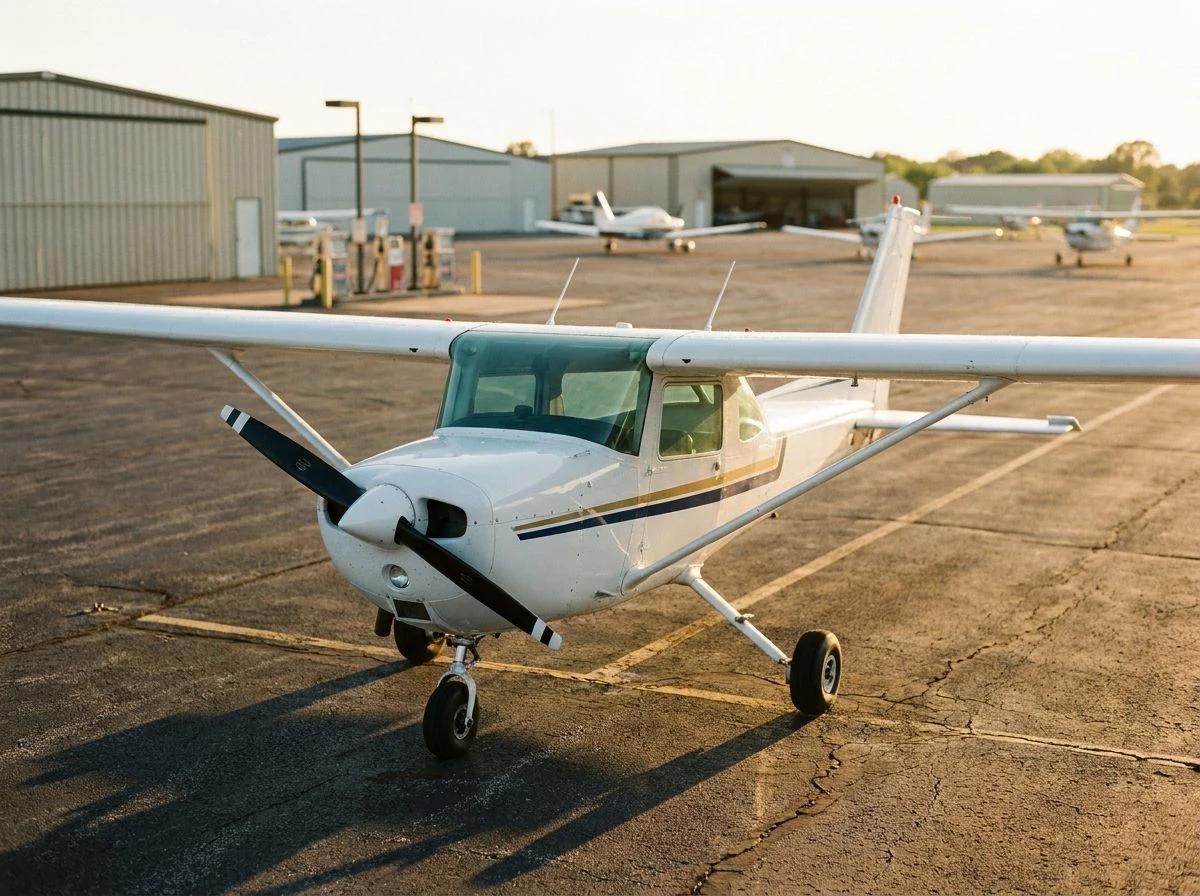
Getting your private pilot checkride on the calendar is exciting. It is also the point where a lot of students discover they have been so focused on flying that they forgot about the paperwork side. An examiner can stop a checkride before it starts if a document is missing or an endorsement is not signed. This guide covers the organizational and planning steps you need to handle before you walk in the door. It is not about learning to fly the maneuvers. It is about showing up ready on every other level.
What the Checkride Actually Involves
The FAA publishes Private Pilot Airplane Airman Certification Standards covering knowledge, risk management and skills. You can find the current document at the FAA ACS page. Ask your instructor to explain how your final review will use it. Keep a copy or a saved link with your study materials so you can return to the same reference.
The flight portion follows the oral. The examiner picks tasks based on the ACS task list. Your job is to show safe, consistent technique. You do not need to be perfect. Understanding the structure ahead of time takes a lot of the mystery out of the day.
Documents to Confirm With Your Instructor and Examiner
Think of your checkride packet as a folder you build over the final weeks of training. Every item in it has a purpose. Your CFI will confirm the complete list for your situation, but this is a solid working reference to start with.
Pre-Checkride Document Checklist
- Identification and pilot documents to confirm with your instructor and examiner
- Any applicable medical or other eligibility documents
- The application and account details the examiner asks you to use
- Your knowledge test report and related review notes
- Your logbook and the endorsements your instructor verifies for the test
- Aircraft documents and records to review with the responsible owner or operator
- Planning material the examiner asks you to prepare
- The appointment instructions, contact details and any questions still open
Ask which originals, copies and electronic records the examiner needs. Keep those items in a clear folder. Use labels or tabs that let you find each section without sorting loose pages. This is a planning list, not an exhaustive statement of eligibility. Your instructor and examiner should confirm what applies to your application.

Photo by Kelly Sikkema on Unsplash.
Understanding Endorsements
An endorsement records a specific instructor authorization or finding. Its purpose and wording matter. Ask your CFI to review the endorsements relevant to your test rather than checking only whether a page has a signature. If something is unclear, resolve it before the appointment. Keep a note of the question and the person who can confirm the answer.
Knowledge-test preparation, review of test results and practical-test readiness are related but distinct steps. Ask your instructor which records show that you have completed the relevant work. Do not assume one signature covers every step. A clear review separates what is complete from what still needs action without treating this article as a substitute for the applicable requirements.
If you trained with more than one CFI, the endorsing instructor for the practical test is usually the one who handled your final stage of training. That person should review your logbook carefully before signing. Sorting this out early avoids a last-minute scramble.
The IACRA Application
IACRA stands for Integrated Airman Certification and Rating Application. It is the FAA's online system for submitting your checkride paperwork. You create an account, fill out Form 8710-1, and your CFI reviews and signs it electronically before your appointment.
Do not wait until the day before. The system can have technical delays, and your CFI needs time to log in and approve the application. A good target is to finish your IACRA submission at least a week before the test. Print the confirmation or save the PDF so you can show it if needed.
The examiner also uses IACRA to verify your information. If any data fields do not match your certificate or ID, corrections take time and can delay the appointment. Check the spelling of your name and your date of birth twice before you submit.
Aircraft Airworthiness Documents
Your private pilot checkride takes place in an actual aircraft, and that aircraft has its own required documents. A common memory aid is AROW: Airworthiness certificate, Registration, Operating limitations (usually the Pilot's Operating Handbook or AFM), and Weight and balance data. Some instructors add M at the front for maintenance records, making it ARROW.
Ask the aircraft owner or operator and your instructor to review the records relevant to the proposed test. Which inspections, approvals and operating documents apply can depend on the aircraft and planned operation. Get that review started before the appointment. Do not assume every aircraft needs the same inspection list or that a booking confirms its status.
If you rent through a flying club, the club usually maintains an inspection log. Ask to look at it a few days before your checkride. Finding an overdue inspection on the morning of the test is a stressful situation that is completely avoidable.
Your Logbook: What the Examiner Looks For
The examiner will go through your logbook. They are checking that your time totals add up, that cross-country and night entries are clearly noted, and that required solo time is documented. Neat, consistent entries matter here.
Each cross-country should show the date, route, distance, and aircraft tail number. Solo flights should be marked clearly. If you have entries from different instructors or different aircraft, make sure each one has enough detail to stand on its own. Vague entries invite questions.
This is not the time to add entries you forgot or to quietly fix errors. If you notice gaps or anything unclear, bring them to your CFI now. Your instructor can help you reconstruct missing data the right way and add explanatory notes where needed.
The Private Pilot Checkride: Final Review Planning
Good private pilot checkride preparation runs on two tracks at once. The first is the administrative track, which is everything covered so far in this article. The second is the aeronautical track, meaning the flying review and oral practice you do with your CFI in the final weeks. Both tracks need to be finished at the same time.
Work backward from a tentative appointment with your CFI. Reserve time for a progress review, any suitable practice the CFI recommends, paperwork checks and rest. Let the instructor decide the lesson tasks and conditions. Keep the calendar flexible enough to change if you need more work. The purpose is to reveal unfinished items early, not to prescribe a mock flight sequence from a blog.
Here is a hypothetical planning example to make this concrete. Imagine a student who books a checkride appointment five weeks out. In weeks one and two, they focus on flying and assembling paperwork. Week three is the mock oral and a mock flight test. Week four is a lighter review week with rest and a short refresher flight. Week five is checkride week, and a short meeting with the CFI confirms that all documents are in order. This pacing avoids the burnout that comes from heavy drilling right up to the day of the test. Your own schedule will look different based on your availability and your CFI's read on your readiness, but the idea of planning backwards transfers well to almost any situation.
What Your CFI Verifies Before Signing Off
Your CFI's final endorsement is not automatic. Before signing, a careful instructor will look at several things. They will check your logbook totals, confirm your knowledge test report is present and valid, and verify that every earlier endorsement is properly signed.
They will also base their decision on your recent flights. Most instructors want to see you handle the checkride tasks consistently, not just once on a great day. If your CFI suggests a few more hours before signing off, take that advice seriously. Rescheduling a checkride is far less disruptive than receiving a notice of disapproval and having to repeat portions of the test.
Ask your CFI to go through the document checklist with you at least once in a dedicated ground session. That single meeting can catch small issues that would otherwise come up on checkride morning when there is no time to fix them.
Scheduling the Examiner Appointment
Designated Pilot Examiners, or DPEs, are FAA-authorized individuals who conduct checkrides. They are not FAA employees. They set their own schedules. Availability varies by area and by season, and some DPEs book several weeks out.
Your CFI can usually recommend a DPE or help you find one through FAASAFETY.GOV. When you contact a DPE, ask what format they prefer for documents, whether they want you to have a weather briefing ready on the day of the test, and what their rescheduling policy is. Getting those details confirmed by email removes confusion later.
Schedule your appointment for a time of day when you typically perform well. If you are sharper in the morning, do not agree to a noon start just because it suits the DPE's schedule. Small choices like this can affect your performance more than you might expect.
Day-Of Logistics
Arrive early on checkride day. Give yourself time to preflight the aircraft, check weather, finish your cross-country planning, and get settled before the examiner arrives. Rushing a preflight because you cut your arrival too close is a poor way to begin.
Bring your complete document folder. Lay the items out in the order they are likely to be requested: ID, certificates, medical, IACRA confirmation, knowledge test report, endorsements, logbook, and aircraft documents. The examiner follows a structured review process. Being organized from the start reflects well.
If something unexpected happens, such as weather that makes the flight portion unsafe, communicate calmly with the examiner about options. A postponed checkride is not a failed one. Examiners respect students who make sound decisions about conditions rather than pushing into something marginal.
Discuss Final Preparation With Aces
Aces Aviators Academy lists ground instruction, knowledge-test preparation and checkride oral preparation among its training options. Ask how those services could fit your current stage. Bring a brief list of the topics and paperwork you want to review. The plan should reflect the relevant instructor’s assessment rather than a promise that every learner follows one fixed final-week process.
You can review Aces flight training options to see how instruction is structured, and check Aircraft and simulator options to learn about the tools available, including the Redbird FMX full-motion AATD for scenario-based review. When you are close to setting your checkride date and want to talk through your timeline or document readiness, reach out to Aces directly for a straightforward conversation with a CFI who can look at your specific situation.
Book a discovery flight
You fly the airplane with an FAA-certified instructor beside you. No contracts, no blocks, billed on Hobbs time only.