Instrument Rating Training in Upland: Planning Your Budget and Schedule
Plan instrument rating training around your logbook, instructor time, aircraft access and simulator options. Build a budget and schedule you can review.

Starting instrument rating training is one of the most satisfying steps a private pilot can take. It opens up a wider range of flying conditions and makes you a more capable, disciplined aviator. But it also comes with real costs and a schedule that needs careful thought before you book your first lesson. This article walks you through how to plan both, honestly and practically.
What the Instrument Rating Actually Requires
Before you plan a budget, you need to understand what you are planning for. The FAA spells out instrument rating requirements, including experience and permitted flight training device credit, in 14 CFR 61.65. Read it carefully. Your CFII (flight instructor authorized to provide instrument instruction) can then walk you through exactly how your own logbook and any simulator time may apply.
The regulation covers categories, areas of operation, and aeronautical experience. It is not a short list. Plan a dedicated session with your CFII just to review the requirements against your current records before you spend a dollar on lessons.
Why Budget Planning Comes First
Many pilots underestimate instrument training costs. The rating typically takes more time than the private certificate, and that time is spent flying in conditions that demand precision. Aircraft rental, simulator sessions, ground instruction, test fees, and examiner fees all add up.
Build your budget in categories, not as a single lump sum. That way you can track each part separately and adjust as you go. You will likely spend money in more places than you expect.
The Main Budget Categories to Plan For
Here are the categories most instrument students need to account for. Work through each one before you start training.
Aircraft rental. Ask your instructor which aircraft suit the planned lessons and which approvals or operating limits matter. Distinguish the aircraft booking from the training task it will support. Check current published rates, then confirm what is included in the actual rental arrangement. Keep that assumption beside the amount in your budget so you can update it when the plan changes.
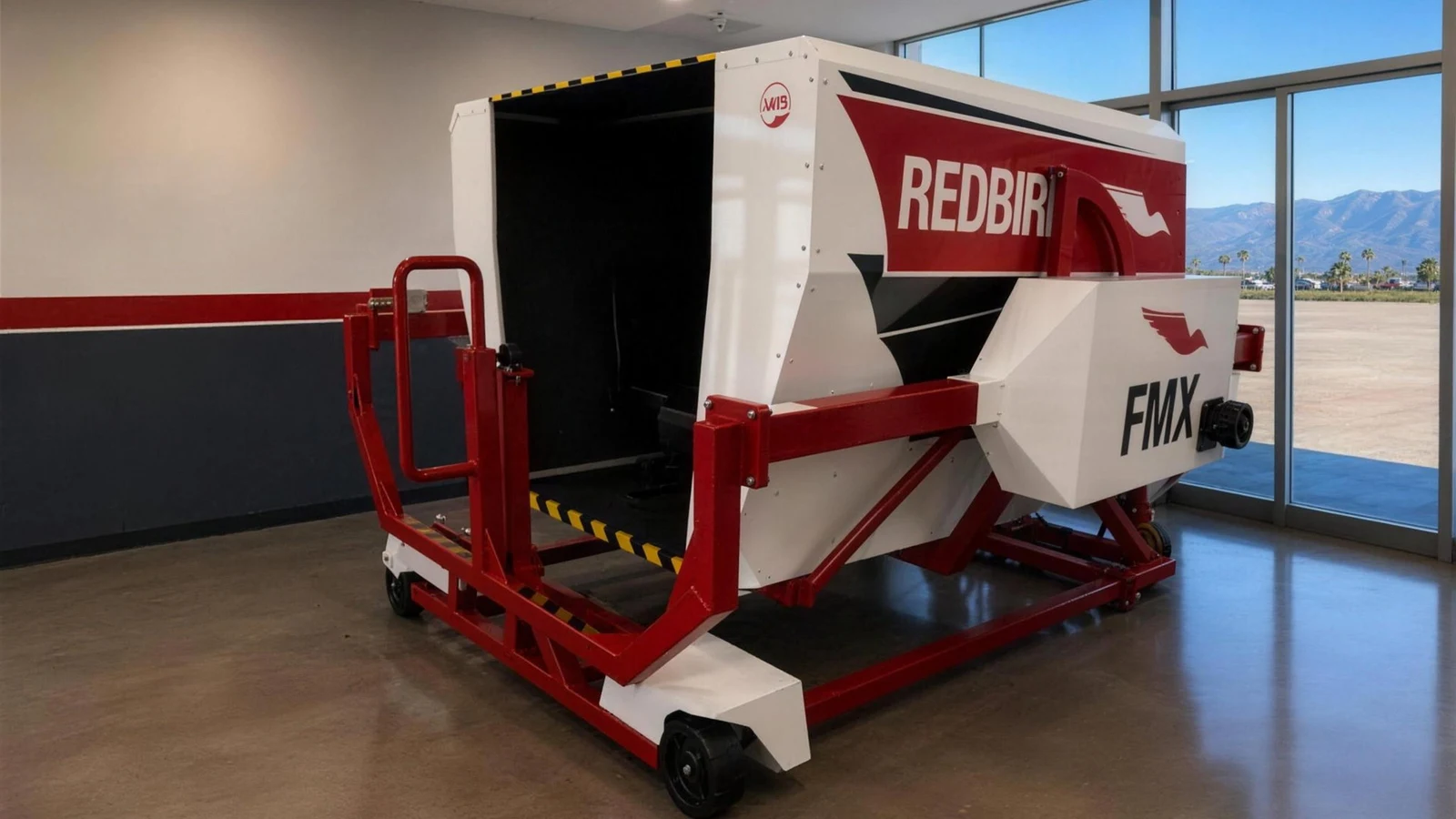
Simulator or AATD time. Aces lists a Redbird FMX full-motion AATD (Advanced Aviation Training Device) among its aircraft and simulator options. An AATD can be used for certain training tasks under 61.65, subject to the device's FAA Letter of Authorization and your CFII's guidance. Ask your instructor which specific tasks are authorized on that device and how that affects your training plan.
Ground instruction. Instrument ground training is substantial. Plan for regular ground sessions separate from your flight lessons. Budget for that instructor time explicitly.
Written test fee. The FAA Instrument Rating Airplane knowledge test costs money to sit. Register through an FAA-approved testing center. Fees change, so check the current rate directly with the testing center.
Practical test fee. Designated Pilot Examiners charge their own fees. These also vary. Ask your CFII to recommend examiners they work with and get a fee estimate early.
Study materials. Instrument training involves a lot of ground study. Books, charts, approach plate subscriptions, and practice test software all carry costs. Some pilots spend very little here; others spend quite a bit. Set a realistic ceiling.
Endorsements and records review. Your CFII will need to review your logbook and issue endorsements. Factor in that time.
Building a Realistic Schedule
Instrument rating training needs a schedule that fits the learner and the planned work. Ask your CFII how often suitable sessions could take place. Include room for review and changes in availability. Avoid turning a calendar estimate into a promised completion date. Track what you actually learn so the next planning review has more to use than the number of bookings.
A practical scheduling rule: decide your minimum flying frequency before you start, and protect it. If you can fly twice a week, plan your budget around that pace. If you can only fly once a week, your overall timeline will be longer and your per-lesson review time may increase.
Work backward from a target checkride window. Set a realistic end date, then map the required training events to the calendar. Leave buffer time for weather cancellations, aircraft availability, and the inevitable schedule disruptions that life brings.
How the Redbird FMX Fits Into Your Schedule
Aces lists the Redbird FMX as a full-motion AATD. Ask your CFII which tasks and lesson goals would suit the available device and setup. Confirm both the practical booking arrangements and the relevant training authorization. A device description does not by itself tell you which sessions will serve your plan or how time can be credited.
However, do not assume all your simulator sessions automatically count toward your instrument rating requirements. The amount and type of credit depends on the device's current FAA Letter of Authorization, the specific tasks authorized, and how your training is structured. Ask your CFII to confirm which tasks they plan to conduct in the FMX and why, before you schedule simulator sessions.
Simulator sessions often cost less than aircraft time. They also allow you to pause, reset, and repeat a procedure, which is useful when you are still learning an approach plate briefing or an unusual hold entry. Use that flexibility intentionally, not just as a cheaper alternative to the airplane.
Instrument Rating Training: Keeping Records as You Go
Good record-keeping during instrument rating training saves you real problems at the checkride. Your logbook needs to clearly show instrument time, the type of aircraft or device used, and whether conditions were actual or simulated. Your CFII will guide you on logging conventions.
Keep a simple running count of your instrument hours in a separate document or spreadsheet. Update it after every flight. Do not wait until the end of training to add up your totals. Errors are much easier to catch and correct during training than the week before your checkride.
Also file away every endorsement your CFII gives you as you go. Keep digital copies. Endorsements can be difficult to reconstruct if your logbook is lost or damaged.
Planning for the Knowledge Test
The FAA Instrument Rating knowledge test covers weather, regulations, instrument procedures, navigation, and more. Plan to study consistently for at least two to three months before your test date. This is separate from your flight lessons.
Do not treat the knowledge test as an afterthought. A low score can signal gaps that will surface during your checkride. Aim for a score that reflects genuine understanding, not just passing.
Your CFII can recommend study materials and may offer a ground school course. Ask about that early so you can factor any associated cost into your budget.
A Hypothetical Planning Example
Imagine a student pilot, completely fictional, who holds a private certificate and wants to plan instrument rating training over roughly eight months. This is a hypothetical example to illustrate the planning process, not a prediction of your own timeline or costs.
This hypothetical student decides to fly once per week in the aircraft and attend one simulator session every two weeks. They budget for weekly ground instruction for the first three months, tapering off as they move closer to the checkride. They set aside funds for the written test early, planning to take it at the halfway point of training. They also reserve a budget line for the examiner fee and for one or two extra flights if their CFII recommends additional practice before the checkride.
The student builds a simple spreadsheet with each category and a projected spend per month. Every month, they compare actual spend to projected. When aircraft availability causes them to miss two flights in one month, they shift those sessions forward rather than abandoning the schedule entirely.
List the assumptions behind a sample plan before you assign costs. Which sessions are available? Which rates have been confirmed? What does each fee include? Keep those answers with the budget. If a booking or lesson goal changes, you can see which line needs review. This makes the example a planning method rather than a price or timeline promise.
Checklist: Before You Begin Instrument Rating Training
Use this checklist before you pay for your first instrument lesson. It is a planning tool, not a regulatory document.
- Read 14 CFR 61.65 in full and note any questions for your CFII
- Schedule a logbook review session with a CFII to assess your current hours
- List all budget categories: aircraft, simulator, ground, test fees, materials
- Research current aircraft and simulator rates so you have real numbers
- Decide your minimum flying frequency per week or month
- Set a target checkride window and work backward to build a calendar
- Ask your CFII about the Redbird FMX Letter of Authorization and which tasks can be conducted in the simulator
- Set a training budget and a plan for reviewing actual spending
- Ask your CFII about knowledge-test readiness and booking steps
- Set up a simple logbook tracking spreadsheet to monitor your instrument hours as you go
Staying Flexible Without Losing Momentum
Every instrument student hits bumps. Weather cancels flights. Aircraft go into maintenance. Life gets busy. The students who finish are the ones who have a plan flexible enough to absorb those interruptions without losing momentum entirely.
Build a simple contingency rule before you start. For example, decide in advance that if you miss two consecutive flights for any reason, you will schedule a ground session or a simulator session instead. That keeps you engaged with the material even when the airplane is not available.
Also plan for a potential restart briefing. If you take more than a few weeks away from active training, budget for a session where you and your CFII review where you left off before you fly again. That investment in continuity usually saves time and money overall.
How Aces Fits Into Your Plan
Aces Aviators Academy offers independent FAA-certified flight instruction under Part 61, with aircraft rented through participating flying clubs. The Aces flight training options page outlines the ratings and instruction available, including instrument instruction and the Redbird FMX AATD.
Because Aces operates under Part 61 rather than Part 141, your training plan has flexibility. You and your CFII build a course of training that fits your schedule and starting point. That flexibility is valuable for instrument students who are balancing training with work and family commitments.
Agree on a clear outline for your instrument rating training with the instructor. Part 61 flexibility does not remove the need for structure or applicable standards. Keep goals, progress notes and open questions visible between sessions. Review the outline when your pace or availability changes so you and the instructor are working from the same current plan.
Ready to Start Planning?
A short conversation with an instructor can help you turn a general interest in the instrument rating into a real, actionable plan. Talk with Aces about your training plan to find out what your next step looks like, based on where you are right now.
Book a discovery flight
You fly the airplane with an FAA-certified instructor beside you. No contracts, no blocks, billed on Hobbs time only.