Flight Lessons Near Upland CA - What to Expect on Your First Discovery Flight
Discover what really happens on your first discovery flight when searching for flight lessons near Upland CA, from preflight inspection to landing.

Flight lessons near Upland CA are more accessible than most people realize, and a discovery flight is the perfect way to find out if flying is right for you. Whether you have dreamed about earning your pilot certificate since childhood or you are simply curious about what it feels like to control an aircraft, a discovery flight removes the mystery and puts you directly in the cockpit. This guide walks you through everything you can expect, from the moment you arrive at the airport to the moment you land with a huge grin on your face.
Why a Discovery Flight Is the Best First Step
Many people assume that flight training starts with months of ground school before you ever touch the controls. In reality, most flight schools in the Inland Empire, including Aces Aviators Academy, want you in the air on day one.
A discovery flight is a short introductory lesson, typically 30 to 60 minutes of actual flight time. It serves two purposes. First, it gives you a genuine taste of what learning to fly feels like. Second, it counts toward your total logged hours if you decide to continue training toward a private pilot certificate.
Think of it as a test drive, but one where you hold the wheel from the very beginning.
What Makes the Upland Area Ideal for Flight Training
Upland sits in the heart of the Inland Empire, just a short drive from several general aviation airports. The region offers a mix of flatland navigation, mountain ridge awareness, and clear visual landmarks that make it an excellent training environment for new students.
The weather in Southern California is one of the biggest advantages. According to the Federal Aviation Administration, consistent visual flight conditions accelerate student progress compared to regions with frequent low visibility. Fewer weather cancellations mean more flying, and more flying means faster progress toward your certificate.
If you are searching for flight lessons near Upland CA specifically, you are already in one of the best geographic positions for year-round aviation training.
What Happens Before You Leave the Ground
Arriving for your first lesson can feel a little intimidating. Airports have their own language, their own rhythms, and a lot of equipment you have probably never seen up close. Here is a breakdown of what to expect before the wheels leave the runway.
The Pre-Flight Briefing
Your certified flight instructor (CFI) will meet you and spend about 15 to 20 minutes on a ground briefing. This is not a lecture. It is a focused conversation covering:
- The basic principles of how an airplane generates lift
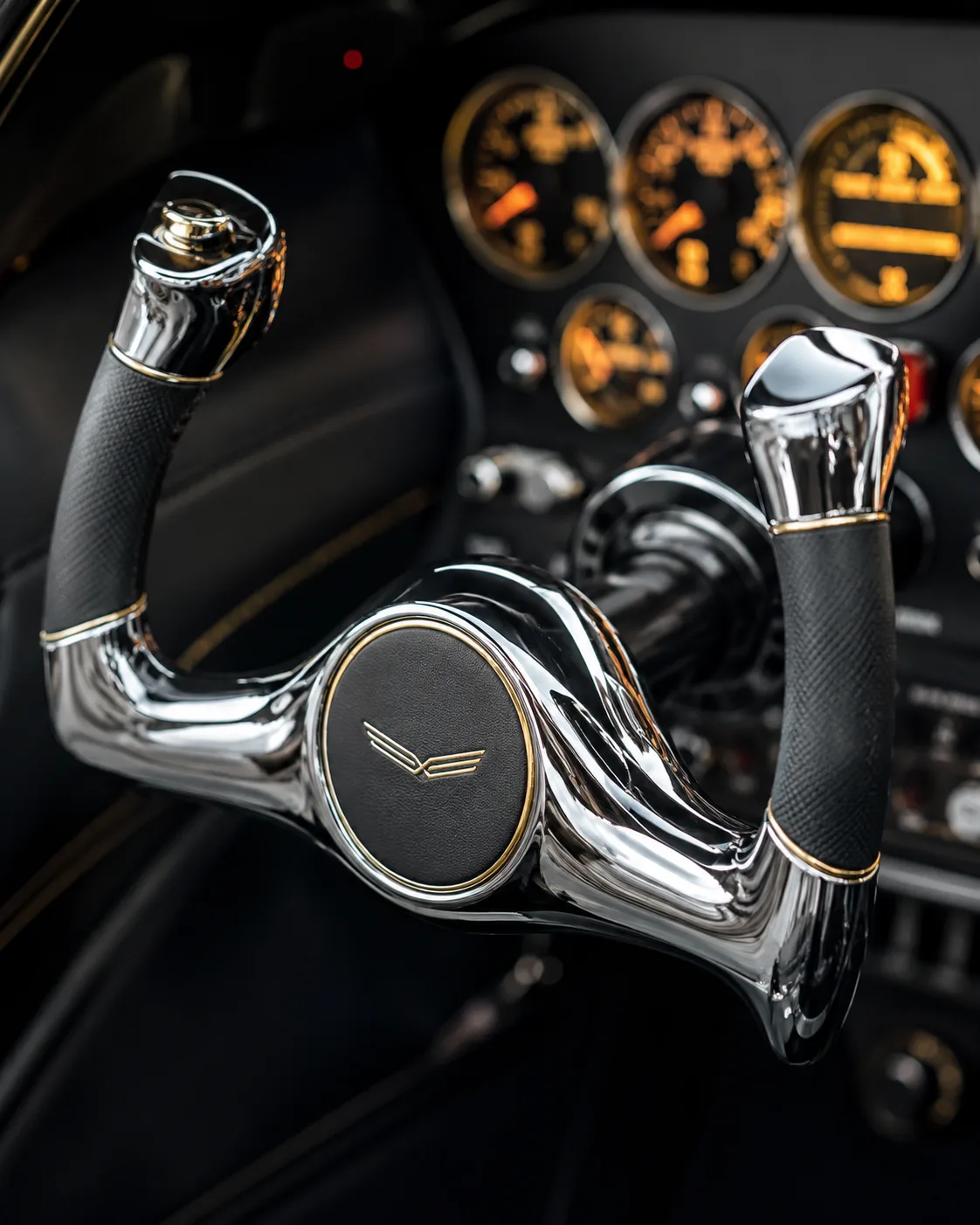
- The controls you will use during the flight, including the yoke or stick, rudder pedals, and throttle
- What the instruments on the panel mean, in plain language
- Safety procedures and what to do if anything feels wrong
- The specific route or practice area you will use that day
The goal is to make sure you feel oriented, not overwhelmed. Good instructors are skilled at reading first-time students, and they adjust the depth of the briefing based on your comfort level and background knowledge.
The Pre-Flight Inspection
Before any flight, a pilot walks around the aircraft and inspects it visually. Your instructor will walk you through this process, known as the "preflight," pointing out what they are checking and why.
You will look at the control surfaces, check the fuel quantity and quality, inspect the landing gear, and verify that the engine compartment looks normal. This is not a formality. It is a genuine safety check, and learning to do it correctly is one of the first real skills of a pilot.
For many students near Upland seeking flight training, this is their first moment of thinking like an aviator rather than a passenger.
Getting Settled in the Cockpit
Climbing into a small training aircraft for the first time is a memorable experience. Most schools use a Cessna 172 or a similar single-engine trainer. The cabin is cozy by car standards, but the view through the windshield is spectacular.
Your instructor will help you adjust the seat, walk you through the seatbelt and shoulder harness, and show you how to position your hands and feet on the controls without gripping them too tightly. One of the first things most students learn is that airplanes respond to surprisingly gentle inputs.
What You Actually Do in the Cockpit
This is the part most people are curious about. How much of the flight do you actually control?
The honest answer is: quite a bit, and often more than you expected.
Taxiing to the Runway
Ground movement is the first challenge. Steering an airplane on the ground uses the rudder pedals, not the yoke. Your feet control the direction of the nose wheel, and your toes apply the brakes. It takes a few moments to retrain your instincts, but most students get a feel for it quickly.
Your instructor will handle the radio communication with the control tower or unicom, so you can focus entirely on moving the aircraft safely and smoothly.
The Takeoff Roll
In most discovery flights, the instructor handles the actual takeoff for safety and to let you absorb the experience without distraction. However, some instructors will let confident students assist with keeping the aircraft centered on the runway during the roll.
The acceleration is quicker than most people expect. A Cessna 172 lifts off at around 55 knots, and the transition from rolling on pavement to climbing through the air happens in a matter of seconds. For most students, this is the moment when aviation stops being a concept and becomes something deeply, viscerally real.
Straight and Level Flight
Once you reach your practice altitude, your instructor will hand the controls to you. You will practice maintaining straight and level flight, which means holding a constant heading and altitude. It sounds simple, but the aircraft responds to small movements, and learning to make gentle, purposeful corrections is the foundation of all flying skills.
Students taking their first flight near the Upland area often fly toward recognizable landmarks like the San Gabriel Mountains or the grid of streets visible from altitude. Having familiar geography below you makes the experience feel both exciting and reassuringly grounded.
Basic Turns and Attitude Control
Most discovery flights include an introduction to banking turns. Your instructor will demonstrate a turn, explain the coordination between the yoke and the rudder pedals, and then invite you to try one.
Coordinated turns are one of the first milestones every student reaches. Executing one smoothly, even with light instructor guidance on the controls, gives students a genuine sense of accomplishment and real confidence.
The Return and Landing
Your instructor will typically handle the landing, especially on a first flight. Landing is one of the most complex skills in aviation and takes dedicated practice over many flights to master. However, you will watch everything closely, and your instructor will narrate each step: the descent, the traffic pattern, the flap settings, and the roundout just before the wheels touch down.
Many students find the landing phase visually stunning, particularly at dusk or in the clear afternoon light common across the Inland Empire.
How Long Does a Discovery Flight Take?
Plan for about 90 minutes total for the full experience, even though the flight itself is typically 30 to 60 minutes. The pre-flight briefing, the aircraft inspection, and the post-flight debrief all add meaningful time, and none of it feels wasted.
The post-flight conversation is worth mentioning separately. After you land, your instructor will sit with you and discuss what you did well, what will come next in your training, and how the discovery flight connects to the broader path toward a private pilot certificate. This is when the excitement of the flight turns into a real plan.
How Much Does a Discovery Flight Cost?
Costs vary by school and aircraft type, but most discovery flights near Upland CA range from $150 to $250. That price typically includes the rental of the aircraft and the instructor's time.
This is a meaningful investment in self-knowledge. You will learn more about your aptitude for flying in one hour of actual flight than in any amount of reading or simulation. And again, those flight hours count toward your total if you continue training.
Compare it to the cost of a private pilot certificate overall. According to FAA data, the national average cost to earn a private pilot certificate ranges from $8,000 to $15,000, depending on the region, the aircraft, and how quickly a student progresses. A discovery flight is a very small entry fee to test a path that could genuinely change your life.
What to Bring and How to Prepare
Preparation for a discovery flight is minimal, which is part of the appeal. Here is a short checklist:
- Wear comfortable clothing you can move in freely
- Bring a valid photo ID (required by most flight schools)
- Avoid a large meal right before the flight if you are prone to motion sensitivity
- Bring sunglasses, since the cockpit can be bright at altitude
- Come with questions. Instructors enjoy enthusiastic students who are curious
You do not need any prior knowledge or experience. That is precisely what the discovery flight is designed to address.
Why Choose Aces Aviators Academy for Flight Training Near Upland
Aces Aviators Academy is a flight training school built around the student experience. The instructors there understand that starting flight lessons near Upland CA is a significant personal decision, and they approach every discovery flight with patience, clarity, and genuine enthusiasm for teaching.
The academy offers structured training pathways for students at every level, from first-time fliers all the way through instrument rating and beyond. The focus is on building competent, confident pilots rather than rushing students through the minimum required hours.
If you have been thinking about taking your first step toward a pilot certificate, a discovery flight at Aces Aviators Academy is exactly that step. The sky over Upland is waiting, and your first lesson can happen sooner than you think.
Book your discovery flight today and find out what it feels like to be a pilot.
Book a $160 discovery flight
You fly the airplane with an FAA-certified instructor beside you. No contracts, no blocks, billed on Hobbs time only.